Student Health Insurance: A Guide for Studying in Germany
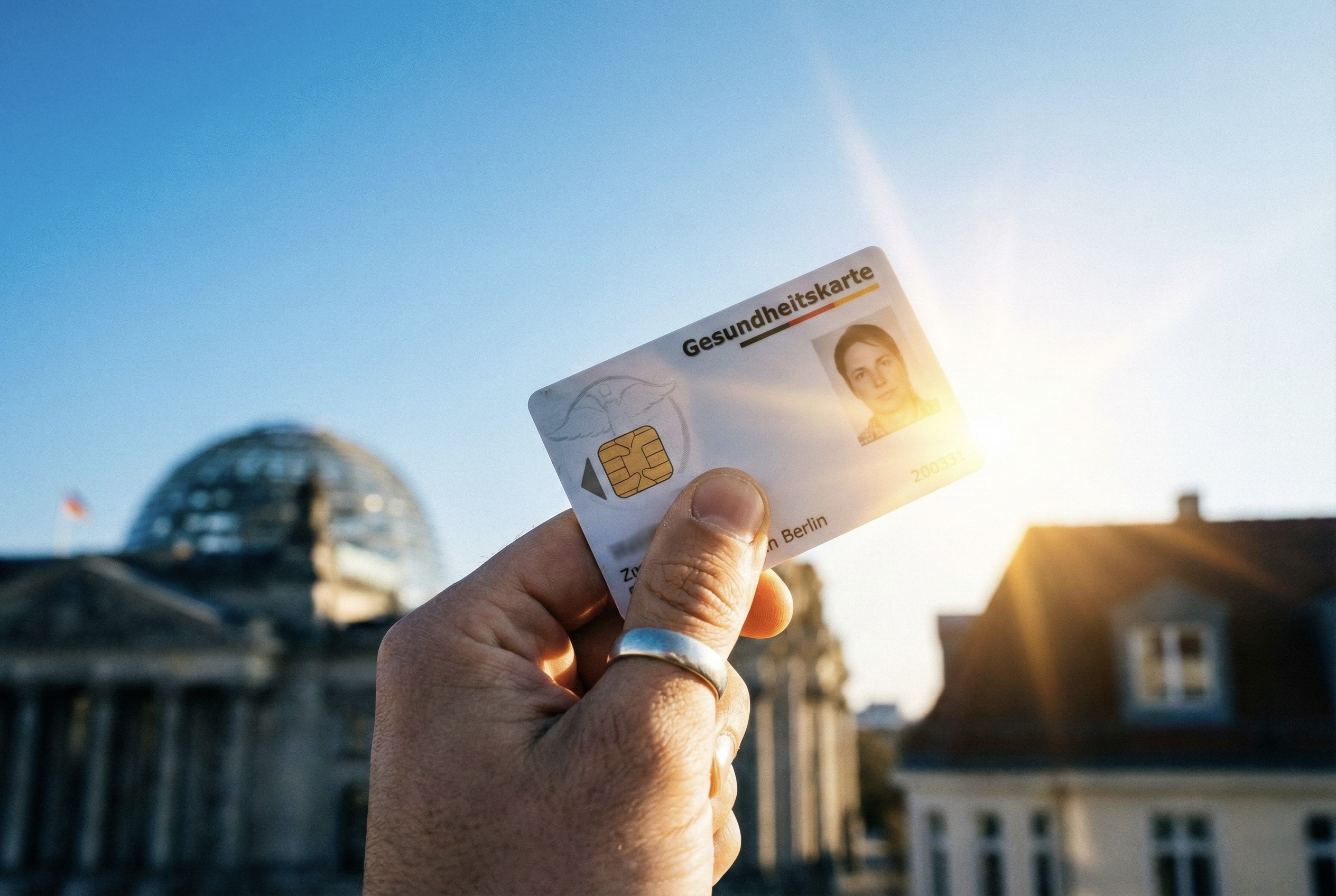
Student Health Insurance: A Guide for Studying in Germany
Health insurance is mandatory for all students in Germany. You'll need proof of coverage before you can enrol at a university or obtain a residence permit. The good news? Germany offers affordable options specifically designed for students.
This guide explains your options and requirements.
The Basics: What You Need
Before enrolling at a German university, you must:
1. Have valid health insurance
2. Obtain a health insurance certificate (Versicherungsbescheinigung)
3. Present the certificate during university registration
Without this documentation, you cannot complete your enrolment.
What Should Student Health Insurance Cover?
Your coverage should include:
| Coverage Area | Details |
|---|---|
| Inpatient and outpatient care | Hospital stays and doctor visits |
| Regular check-ups | Preventive health examinations |
| Prescription medications | Costs for prescribed drugs |
| Emergency services | Urgent medical treatment |
| Basic dental care | Standard dental services |
| Pregnancy treatment | Care related to pregnancy |
| Repatriation | Return to home country if seriously ill |
Your Two Main Options
1. Public Health Insurance (GKV) — Gesetzliche Krankenversicherung
Public insurance is available to most students under 30 enrolled in a degree programme.
| Feature | Details |
|---|---|
| Monthly cost | ~€110–€120 (2026) |
| Age limit | Under 30 |
| Eligibility | Enrolled in degree programme |
| Coverage | Comprehensive, regulated benefits |
Advantages:
- Affordable fixed rate
- Comprehensive coverage
- Accepted everywhere in Germany
You cannot use public insurance if you:
- Are over 30 years old
- Already have health insurance from another EU country
- Are self-employed or freelancing
- Are not enrolled in a degree course
2. Private Health Insurance (PKV) — Private Krankenversicherung
Required for students who don't qualify for public insurance.
| Feature | Details |
|---|---|
| Monthly cost | Varies by plan and age |
| Age limit | None |
| Eligibility | Anyone not eligible for GKV |
| Coverage | Varies by policy |
When private insurance is required:
- Students over 30
- Language course students
- Preparatory course students
- PhD students (in most cases)
Important: Choosing Between Public and Private
If you're under 30 and want private insurance instead of public, you must request an exemption from public insurance within the first 3 months of starting your studies. Once you opt out, you cannot return to public insurance during your studies.
Coverage by Student Type
Degree Programme Students (Under 30)
| Option | Availability |
|---|---|
| Public insurance | ✓ Required |
| Private insurance | Optional (requires exemption) |
Use the discounted public insurance rate of ~€110/month.
Language Course Students
| Option | Availability |
|---|---|
| Public insurance | ✗ Not available |
| Private insurance | ✓ Required |
Once you pass your language exam and enrol in a degree programme, you become eligible for public insurance.
Preparatory Course Students (Studienkolleg)
| Option | Availability |
|---|---|
| Public insurance | ✗ Not available |
| Private insurance | ✓ Required |
After passing the Feststellungsprüfung and enrolling in a degree programme, you become eligible for public insurance.
Confused about health insurance in Germany? Get expert help.
Exchange Students
| Option | Availability |
|---|---|
| Public insurance | ✓ Available |
| Private insurance | Optional |
Exchange students enrolled in degree programmes can use discounted public insurance, even for stays of just one or two semesters.
PhD Students
PhD student insurance depends on employment status:
| Situation | Insurance Type |
|---|---|
| Employed by university | Public (employer-sponsored) |
| Under 30, not employed | Public at student rate |
| Over 30, not employed | Private required |
Employed PhD students pay ~7.3% of salary, matched by their employer.
Working While Studying
If you work while studying and earn more than €520/month (Minijob limit), you'll need to be insured as an employee rather than a student.
| Income | Insurance Status |
|---|---|
| Under €520/month | Student insurance sufficient |
| Over €520/month | Employee insurance required |
Getting Your Insurance Certificate
For Public Insurance
1. Contact a public health insurer (Krankenkasse)
2. Provide required documents (enrolment confirmation, passport, visa)
3. Receive your certificate (Versicherungsbescheinigung)
For Private Insurance
1. Purchase private student health insurance
2. Request an exemption certificate from public insurance
3. Receive confirmation that your private plan meets requirements
Extended Public Insurance Eligibility
You may remain eligible for public insurance beyond age 30 or the standard period if you're:
- Completing compulsory training after your degree
- Caring for sick or disabled family members
- Living with a disability or chronic illness
- Serving on a university board
- A recent parent
Steps to Get Insured
1. Before arriving: Get short-term travel insurance for initial stay
2. Upon arrival: Contact health insurance providers
3. Compare options: Evaluate public vs. private based on your situation
4. Obtain certificate: Get documentation for university enrolment
5. Register at university: Present your health insurance certificate
Getting Help
Navigating student health insurance in a new country can feel overwhelming. At Stay, we help international students find the right coverage for their situation—with guidance in English every step of the way.
If you'd like personalised advice, we're here to help.
Subscribe to our newsletter to stay in touch with the latest.
By subscribing, you agree to receive marketing emails and confirm you have read our Privacy Policy.

Related Articles
 14 min
Health Insurance
Switching Health Insurance Germany: Rules & Mistakes 12 min
Health Insurance
Student Health Insurance Germany: 2026 English Guide 16 min
Health Insurance
Health Insurance After Job Loss Germany: 2026 Guide