9 Mistakes Expats Should Avoid Before Buying Car Insurance in Germany
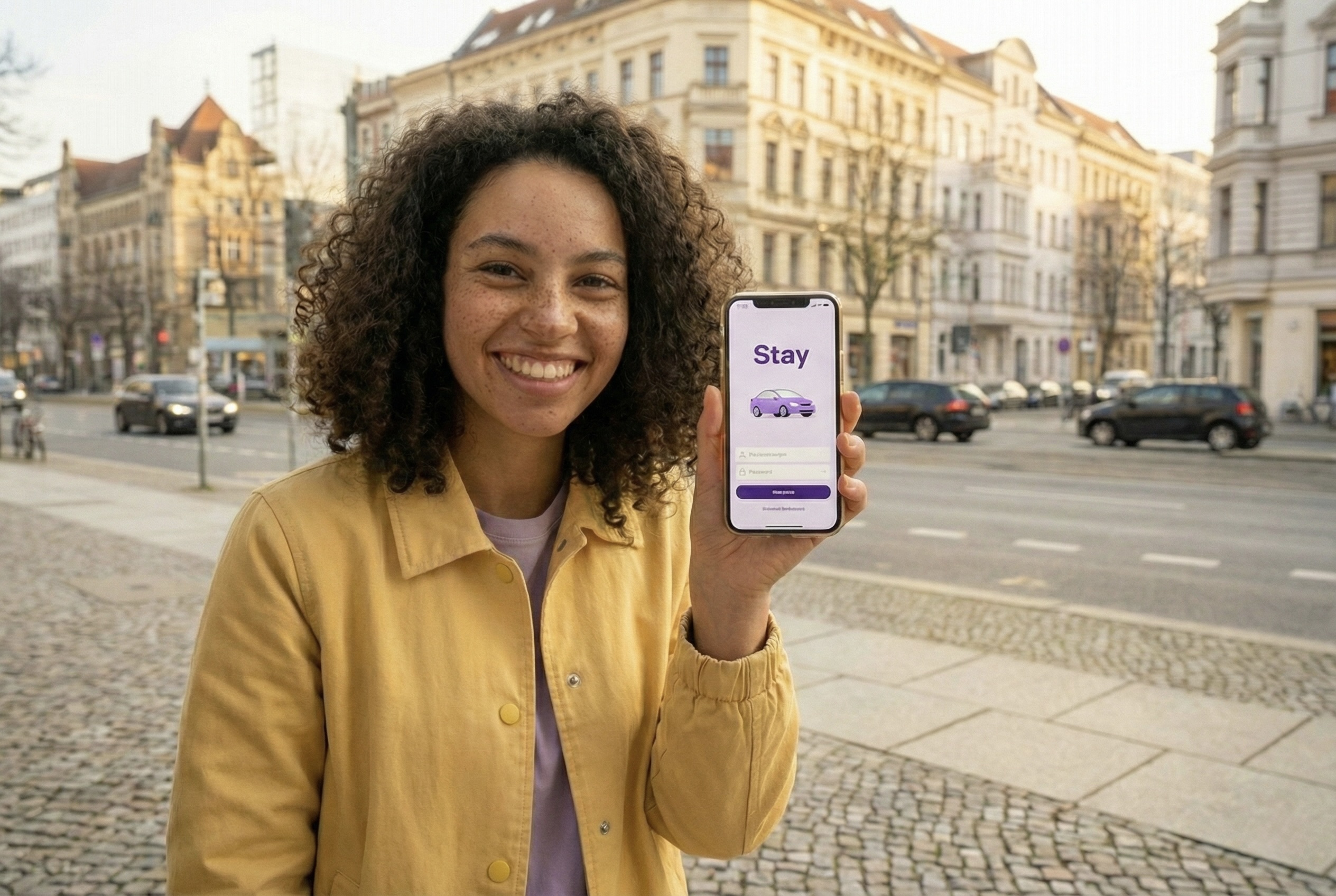
9 Mistakes Expats Should Avoid Before Buying Car Insurance in Germany
If you're new to Germany and thinking about buying a car, there's one thing you'll need to sort out first: insurance. We know—it's another item on an already long to-do list. But getting this right can save you a lot of stress (and money) down the road.
In Germany, car insurance (Kfz-Versicherung) is mandatory. You cannot register a vehicle without proof of coverage. And unfortunately, your insurance from back home won't work here—you'll need a German policy.
The good news? Once you understand the common pitfalls, avoiding them is straightforward. Here are the nine mistakes we see most often—and how to steer clear of them.
1. Not Understanding How Much Coverage You Actually Need
Germany sets a minimum level of coverage, but that baseline often isn't enough for real-world situations. Before choosing a policy, consider:
- Your vehicle's value — A new car needs more protection than a 15-year-old one
- Your driving experience — Newer drivers often face higher risks
- Where you live — Urban areas typically have higher accident and theft rates
- Your budget — What can you comfortably afford as a monthly premium?
Tip: Don't just meet the minimum. Think about what you'd need to feel genuinely protected.
2. Not Comparing Providers
Car insurance premiums can vary significantly between companies—sometimes by hundreds of euros per year. Many newcomers go with the first quote they receive, not realising how much they could save.
Take the time to compare at least 3–5 providers. Online comparison tools are helpful, but speaking with an advisor can uncover options you might not find on your own.
3. Being Less Than Honest on Your Application
This is one of the most serious mistakes you can make. If you misrepresent your driving history, accident record, or vehicle details, the consequences can be severe:
- Your application may be rejected outright
- Future insurers may refuse to cover you
- If discovered after a claim, your insurer can deny payment—and cancel your policy
Always be transparent. It's not worth the risk.
4. Forgetting to Update Your Policy
Life changes—you get married, your teenager starts driving, you move to a new city. In Germany, you're legally required to notify your insurer of significant changes.
Failing to update your policy can lead to coverage gaps or even claim denials. Set a reminder to review your policy annually.
5. Skipping Your Research
Most insurance information is available online, and a little research goes a long way. Before committing to a policy:
- Read reviews and ratings
- Understand what's included (and what's not)
- Check the claims process and customer service reputation
If you've recently arrived in Germany, this research is especially valuable—the system here works differently than in many other countries.
6. Over-Insuring an Older Vehicle
Comprehensive coverage (Vollkasko) makes sense for new or high-value cars. But for older vehicles, you may be paying more in premiums than the car is worth.
A common guideline: don't spend more than 10% of your car's current value on annual insurance. For older cars, third-party liability (Haftpflicht) or partial coverage (Teilkasko) may be more appropriate.
Need the right material insurance? Talk to an expert.
7. Under-Insuring to Save Money
On the flip side, choosing the absolute minimum coverage to save a few euros is risky. If you're in an accident or your car is stolen, minimum coverage often falls short of actual costs.
This is especially true for newer or more expensive vehicles. The small monthly savings aren't worth the potential financial hit later.
8. Not Asking Questions
There's no such thing as a silly question—especially when you're navigating an unfamiliar system. Whether you're working with an agent or applying online, ask about:
- What's covered and what's excluded
- How to file a claim
- What happens if you move or change vehicles
- How your no-claims bonus (Schadenfreiheitsrabatt) works
The more you understand, the better protected you'll be.
9. Missing Out on Discounts
Many insurers offer discounts that go unadvertised. You might qualify for savings based on:
- Your profession or employer
- Membership in certain organisations
- Bundling multiple policies
- Installing anti-theft devices
- Paying annually instead of monthly
It never hurts to ask—you might be surprised how much you can save.
How We Can Help
Buying car insurance in Germany doesn't have to be stressful. At Stay, we help international residents find the right coverage at the right price—all in English, with clear explanations every step of the way.
If you'd like personalised guidance, we're here to help.
Subscribe to our newsletter to stay in touch with the latest.